Quick Email Now!
9:00 a.m - 9:00 p.m
9:00 a.m - 9:00 p.m

Quick Email Now!
Clinic Location
Phone Number


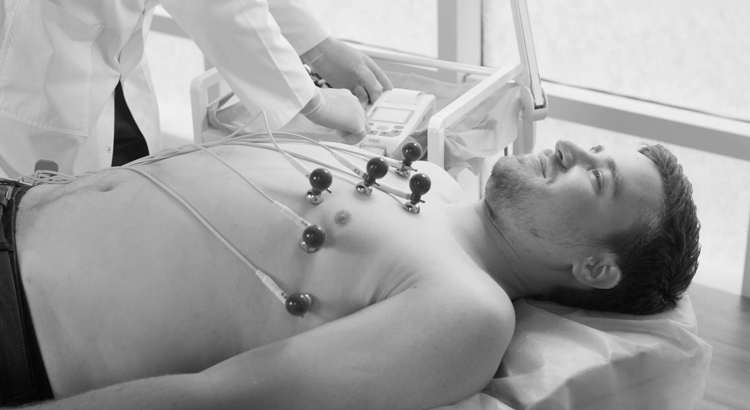
Welcome to the Neurology Department at Klinik Premium. We are dedicated to providing exceptional neurological care to patients of all ages. Our team of highly skilled neurologists, specialized physicians, and healthcare professionals are committed to diagnosing and treating a wide range of neurological conditions with compassion and expertise.
At our Neurology Department, we offer comprehensive services for the evaluation, diagnosis, and management of neurological disorders affecting the brain, spinal cord, nerves, and muscles. We utilize state-of-the-art technology and advanced treatment modalities to provide the highest standard of care.
You may consider seeing a neurologist if you experience symptoms related to the nervous system, such as persistent headaches, dizziness, seizures, muscle weakness, numbness or tingling, memory problems, or movement disorders. Your primary care physician can refer you to a neurologist for further evaluation and specialized care.
Neurologists diagnose and treat a wide range of neurological conditions, including but not limited to stroke, epilepsy, migraines and other headache disorders, multiple sclerosis, Parkinson's disease, Alzheimer's disease, neuropathy, neuromuscular disorders, and spinal cord injuries. They also collaborate with other specialists to provide comprehensive care for patients with complex neurological conditions.
Neurological conditions are typically diagnosed through a combination of medical history assessment, neurological examination, and diagnostic tests. Diagnostic tests may include imaging studies such as MRI or CT scans, electroencephalogram (EEG), electromyography (EMG), nerve conduction studies, or lumbar puncture. These tests help neurologists evaluate the structure and function of the nervous system and determine an accurate diagnosis.
Treatment options for neurological conditions depend on the specific condition and its severity. Neurologists may prescribe medications to manage symptoms, provide therapies such as physical or occupational therapy, recommend lifestyle modifications, and, in some cases, perform surgical interventions. The treatment plan is tailored to each patient's needs and may involve a multidisciplinary approach.
